


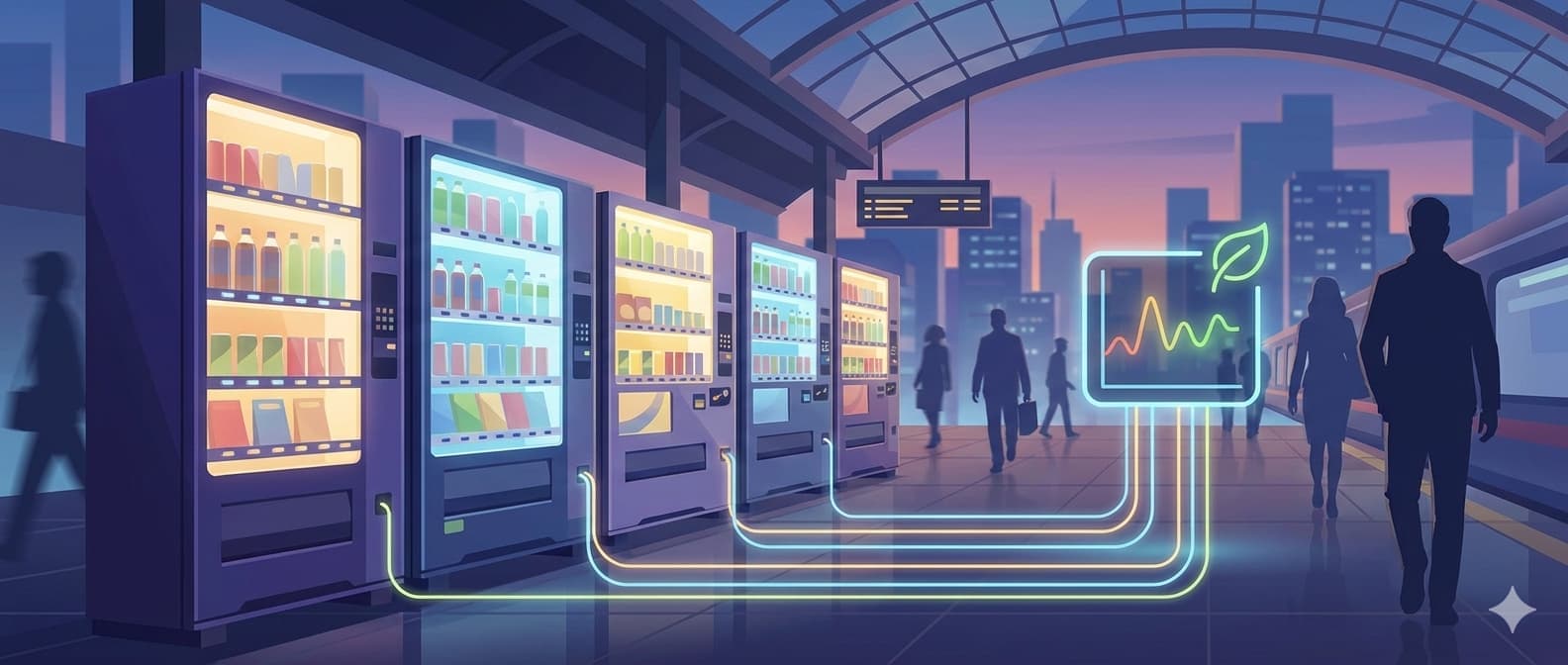
Vending machines are everywhere in offices malls hospitals and other public spaces. They offer easy access to products but because they operate continuously they act as constant energy consumers behind the scenes. This is why vending machine energy consumption becomes a hidden but important factor in public environments.
Today, vending machine energy consumption plays a real role in both operating costs and sustainability decisions. That’s why brands like Soda Lemon are moving toward smarter vending solutions that use energy more efficiently, without compromising performance or reliability.
At the same time, vending machines are becoming easier to use. Touch screens, cashless options, and mobile payments are now part of the normal experience, which is why many people naturally look up how to pay with phone on vending machine before trying newer automated retail machines.
The Hidden Power Grid: Vending Machines as Constant Consumers
Unlike many appliances that turn off when not in use, vending machines run all day and night. Cooling systems, lighting, and internal electronics are always working, even during low-traffic hours.
This constant operation leads to steady vending machine power usage, especially in busy public locations. For businesses working with vending machine suppliers in UAE , energy efficiency has become a key consideration when choosing or upgrading machines.
Companies like Soda Lemon vending machines now combine reliable performance with smart technology, offering systems that manage energy use while supporting modern features like telemetry, LED lighting, and mobile payment options for users asking how to pay with phone on vending machine.
Breaking Down the Wattage: Where Does the Energy Go?
The largest share of vending machine energy consumption comes from cooling systems. Keeping drinks and food at safe, consistent temperatures requires compressors to run frequently throughout the day.
Lighting and internal electronics also contribute to vending machine electricity consumption, even when no purchase is happening. Because these systems never fully shut down, vending machine power consumption remains constant in public spaces. This is why newer machines, such as the 750 advanced vending machine, are built with smarter energy controls that reduce unnecessary usage without affecting performance.
The Environmental Cost of Convenience
Vending machines make everyday life easier, but their continuous operation has an environmental impact. Over time, high vending machine energy consumption leads to increased electricity demand, especially when older or inefficient machines are used.
This ongoing vending machine power consumption can contribute to higher carbon emissions and energy waste. As a result, many businesses now look for energy-efficient alternatives.
Modern machines from Soda Lemon are designed to lower vending machine electricity consumption while still delivering the same level of convenience, including smart payment solutions for users who prefer paying by card or searching for how to pay with phone on vending machine.
Smart Vending: The Rise of vending machine energy consumption
As vending technology evolves, managing vending machine energy consumption has become a major focus in automated retail. Smart vending systems can now adjust energy usage based on factors like ambient temperature, usage patterns, and location.
Models such as the fas 900 advanced vending machine and the fas 900 pro vending machine feature better insulation, efficient compressors, and LED lighting. These improvements help reduce vending machine power usage while maintaining consistent cooling and reliable operation.
Location Matters: Ambient Temperature and Placement Strategy A vending machine does not consume energy the same way in every environment. Machines placed in hot or outdoor locations work harder to maintain temperature, leading to higher vending machine electricity consumption.
Choosing the right placement can make a noticeable difference. Cooler indoor environments help control vending machine energy consumption, especially in public spaces where machines operate continuously.
When combined with advanced models like the FAS 1050 POWER LIFT vending machine, smart placement strategies and efficient technology can significantly reduce power usage while improving product delivery, reliability, and overall machine performance.
The Future of Automated Retail: Solar Power and Beyond
As automated retail continues to grow, reducing vending machine energy consumption is becoming a priority. Solar-assisted systems and intelligent energy management are shaping a future where vending machines rely less on traditional power sources.
Forward-thinking brands like Soda Lemon and leading vending machine suppliers in UAE are already exploring solutions that lower vending machine electricity consumption without sacrificing convenience or performance.
Read also: What is the Purpose of Vending Machines? Top 5 Benefits
Conclusion
Vending machines play an important role in public spaces, but their always on nature makes vending machine energy consumption impossible to ignore. From smarter technology to better placement strategies, small improvements can lead to meaningful energy savings.
If you’re looking to reduce vending machine energy consumption while maintaining performance, innovation, and features like mobile payments, explore Soda Lemon vending machines and compare advanced, energy-efficient models for your location.
Read also: Healthy Vending: Meeting the Demand for Nutritious Snacks in UAE Schools and Offices
FAQs
How much electricity does a standard vending machine use per year?
A standard vending machine can use a significant amount of electricity annually, depending on its size, cooling system, and placement. Newer models are designed to reduce vending machine electricity consumption compared to older machines.
Can vending machines be turned off at night to save energy?
In most cases, vending machines cannot be fully turned off because cooling systems need to maintain safe temperatures. However, smart machines can reduce vending machine power usage during low-demand hours.
How do outdoor vending machines compare to indoor ones in terms of energy?
Outdoor vending machines usually consume more energy due to higher temperatures and environmental exposure, which increases cooling demand and vending machine power consumption
Does the "always-on" lighting contribute significantly to energy waste?
Traditional lighting can increase energy use, but LED lighting significantly reduces vending machine power usage while keeping machines visible.
Are there solar-powered vending machines?
Solar-assisted vending machines exist and are becoming more common. They help reduce vending machine energy consumption, especially in regions with strong sunlight.
Read also: How to Use a Vending Machine with Phone