


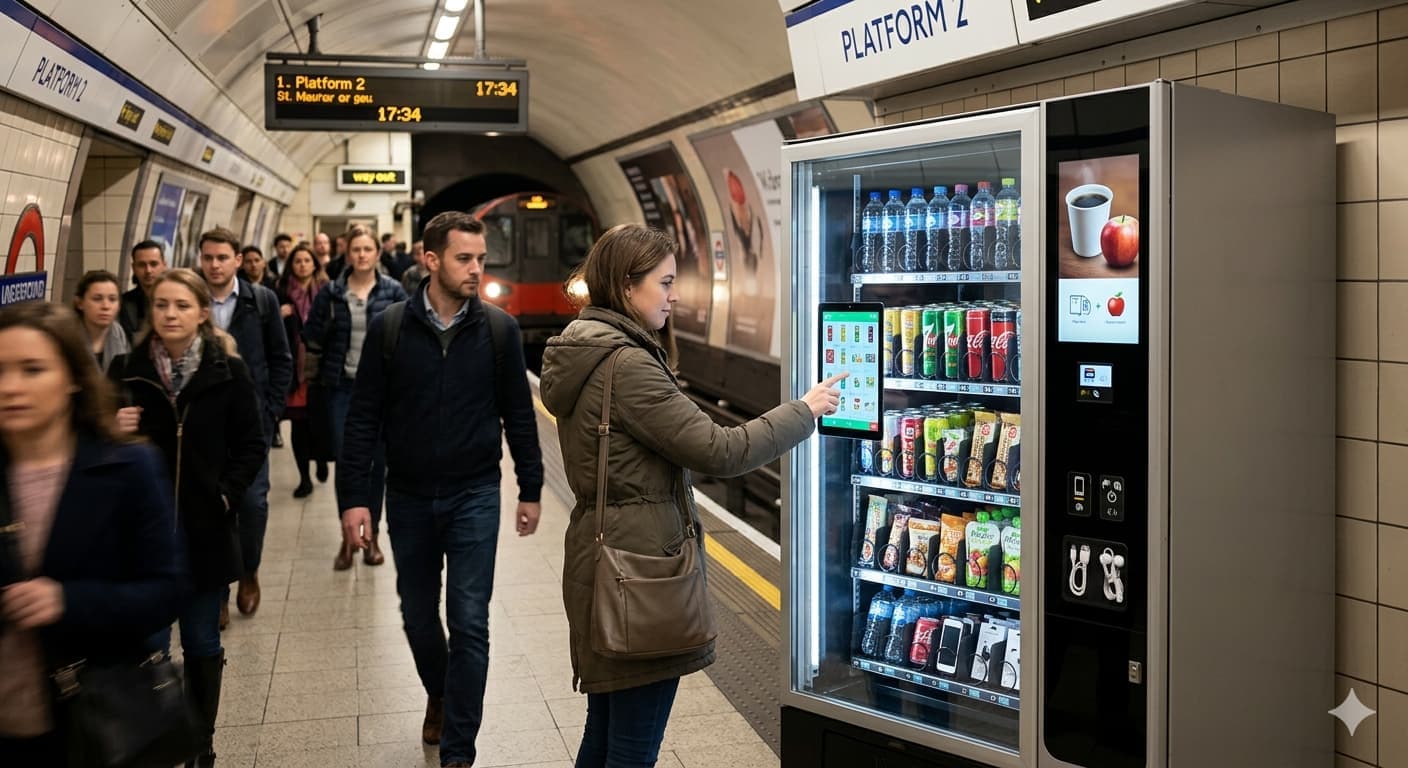
Retail strategy is no longer about setting up a storefront and waiting for foot traffic to wander in. Instead, it is about inserting a reliable system directly into the natural path of daily human movement. When a consumer is rushing to catch a morning train, they are not looking for a complex shopping experience; they are looking for a friction-free perk that satisfies an immediate need within seconds. A physical business layout succeeds when it stops trying to force new patterns onto people and instead adapts to the routines they already practice every day.
To build a high-yielding automated retail portfolio, operators must look past generic setups that treat every commercial property the same way. You need a resilient mechanism that runs autonomously without requiring constant manual oversight or face-to-face staffing. This means transitioning from an old-school brick-and-mortar mindset to an agile, automated retail system. True commercial stability happens when you deploy high-capacity assets that capture small, consistent transactions around the clock.
When your technical hardware and consumer systems operate smoothly, managing high-volume locations becomes entirely predictable. Partnering with professional vending machine suppliers in UAE allows investors to secure robust, industrial-grade equipment tailored for the punishing demands of public infrastructure. By placing the right assets in the right high-visibility spots, you can transform empty transit floor space into a lean, highly profitable commercial asset.
Why Metro Stations Are Prime Locations for Vending Machines
A transit platform is a unique commercial ecosystem where passenger density remains incredibly steady throughout the day. When exploring the long-term utility of a vending machine in metro station settings, you are looking at a captive audience trapped in a strict time budget. Commuters are actively moving through a structured environment where they often experience sudden bouts of hunger, thirst, or minor fatigue, yet they lack the time to exit the turnstiles to visit a traditional convenience store.
This exceptional operational environment is perfectly suited for institutional buyers and commercial concession operators who want to maximize profit margins per square meter. You should choose these high-profile hubs when your business infrastructure upgrade focuses on high-volume turnover rather than single high-ticket transactions. Conversely, you should avoid fragile, lightweight residential equipment because public transit stations expose hardware to heavy wear and continuous public interaction. The specific detail that makes a transit installation work best is utilizing an autonomous, heavy-duty framework that processes payments instantly while preserving a completely secure product access chamber.
Benefits of Installing Vending Machines in Metro Stations
The primary advantage of implementing an automated vending machine in metro station corridors is the massive reduction in daily operational overhead. Traditional retail spaces require shifts of retail employees, expensive interior fit-outs, and substantial utility bills, which eat into your net returns before you even break even. An unmanned self-service refreshment hub bypasses these financial bottlenecks by operating within a compact footprint with zero permanent staffing costs.
You should launch an automated retail campaign when your strategic planning aims for an immediate, measurable return on investment without long-term commercial lease commitments. However, you should avoid deploying unmonitored systems if your logistics team lacks a real-time data structure to handle restocking schedules, as empty shelves will quickly destroy consumer trust. The specific detail that makes these transit hubs better is the continuous beverage availability they provide, allowing your business to generate automated revenue even during off-peak late-night hours when standard platform kiosks are locked up for the night.
Types of Vending Machines Suitable for Metro Stations
Public transportation environments require robust physical materials that can withstand intense public use while keeping internal inventory perfectly preserved. Choosing the best vending machines for metro stations means focusing on anti-vandalism engineering, heavy-duty reinforced steel doors, and high-visibility glass fronts featuring advanced anti-condensation technology.
- This structural framework is ideal for transit hubs where equipment must operate flawlessly under high public demand.
- Choose an advanced snack vending machine layout when you want to offer an adaptable mix of chips, energy bars, and packed items.
- Avoid standard residential glass fronts that can crack easily under accidental impact or rough handling.
- The detail that makes your asset selection better is ensuring the cooling compressor uses an eco-friendly R290 cooling gas to reduce your carbon footprint while cutting energy costs.
To manage a diverse inventory of shelf-stable snacks alongside chilled soft drinks, deploying a high-capacity FAS 900 advanced vending machine gives operators modular internal trays that can be customized to fit various packaging sizes. For areas experiencing massive passenger spikes during morning and evening rush hours, installing a robust FAS 1050 PRO vending machine provides a spacious ten-shelf layout designed for rapid product turnover and minimal restocking delays.
Best Products to Sell in Metro Station Vending Machines
Product selection in an unattended retail space must be driven entirely by sales data analytics rather than personal preferences. In a fast-moving transit environment, the consumer's purchase behavior is impulsive, urgent, and centered around instant gratification.
Product Category
- Chilled Water & Sodas
Target Commuter: Daily Passengers
Consumer Need: Instant hydration
Optimal Dispenser Type: Glass-front drink tray
- Energy & Protein Bars
Target Commuter: Rush-hour professionals
Consumer Need: Quick meal replacement
Optimal Dispenser Type: Spiral snack shelf
- Fresh Sandwiches & Wraps
Target Commuter: Late-night commuters
Consumer Need: Autonomous workplace dining
Optimal Dispenser Type: Cold chain lift system
When configuring your inventory, using modern food vending machines allows you to introduce perishable items like fresh sandwiches and ready-to-eat snacks safely into your station footprint. This strategy is highly suited for major transfer stations where commuters spend longer waiting times between trains. You should select high-demand, recognizable brands to speed up consumer decision-making as they walk past the glass. Avoid strange, slow-moving novelty goods that confuse the buyer or require long explanation text, because a commuter will walk away if the purchase takes longer than thirty seconds. The specific detail that makes product performance better is placing high-margin items directly at eye level to capture immediate attention during peak rush hours.
Why Commuters Prefer Vending Machines
Modern urban passengers value speed and autonomy above almost everything else during their daily commute. When a person is navigating a busy transportation hub, the prospect of waiting in a long queue at a manual checkout counter just to buy a single bottle of water is incredibly frustrating.
A vending machine in metro station alcoves removes this psychological friction by offering an unstaffed retail solution that respects the commuter's tight schedule. The user interface allows for an entirely independent transaction where the customer selects, pays, and retrieves their item without having to speak to anyone or wait for loose paper change. This speed is exactly why busy professionals prefer automated platforms over standard walk-in stores during their daily travels. When the transaction process is smooth, buying a quick refreshment becomes a pleasant, stress-free habit that passengers repeat every single day.
Smart Features That Improve Metro Station Vending Machines
The difference between a basic, old-fashioned coin-operated machine and a modern commercial asset lies in the integration of intelligent internal programming interfaces. Modern commuters do not carry pockets full of heavy coins, which means your system must adapt to contemporary cashless transaction methods to survive.
Integrating a premium FAS 900 excellence vending machine into your network gives you an interactive high-resolution touch screen that enhances the overall user experience while supporting multilingual interfaces for international travelers. Furthermore, implementing an advanced internal vending machine lift mechanism ensures that fragile items, fresh pastries, and carbonated cans are lowered gently to the illuminated retrieval area without shaking or falling violently. These smart features minimize mechanical malfunctions, prevent product damage, and ensure that your automated platform delivers a premium feel that protects your brand identity.
Challenges of Operating Vending Machines in Metro Stations
While public transit hubs offer immense sales potential, operating heavy equipment in these high-traffic commercial spaces presents distinct logistical challenges that require careful engineering. The most common hurdles involve sudden mechanical faults, cash acceptance jams, and rapid out-of-stock indicators that can leave a machine offline for days if managed poorly.
Transitioning to a highly reliable Soda Lemon vending machine setup addresses these core structural risks by incorporating intelligent fault diagnosis alerts directly into the operating system. You should connect your machinery to a telemetry remote management platform to track your internal inventory levels and coin mechanisms in real time. Avoid sending restocking staff on random schedules without checking your cloud-based data first, as this creates massive operational waste and inefficient delivery routes. The detail that makes management easier is choosing a system with an anti-vandalism steel structure to protect your internal bill validator from tampering in unmonitored public zones.
How to Increase Sales in Metro Station Vending Machines
Maximizing your revenue inside a transit hub requires a deliberate focus on optimizing your payment systems and conversion metrics. If a machine rejects a customer's debit card or takes too long to process a transaction, that consumer will simply walk away and board their train.
- Implement a multi-payment system interface that accepts contactless credit cards, mobile wallets, and NFC-enabled apps.
- Use real-time telemetry dashboard data to identify which snack and drink selections are selling out fastest each week.
- Keep the internal cabinet pristine and the LED lighting bright to ensure maximum product visibility through the double-pane safety glass.
The detail that makes sales optimization better is deploying a machine with a built-in FAS Cashback vending machine framework to handle cash users smoothly while offering digital change options. By eliminating payment friction, you can figure out how to maximize vending machine sales in metro stations over the long run. When passengers know that your machine accepts every payment type instantly, they will actively choose your station over competitor platforms.
Also read: The Latest Vending Machine Technology
The Future of Vending Machines in Public Transportation Hubs
The next evolution of unattended retail is moving rapidly toward artificial intelligence and predictive inventory management. Rather than relying on simple, fixed pricing, future transit systems will use localized data to adjust offering menus based on the current weather, time of day, or real-time train delays.
By utilizing advanced AI prompts within your centralized control panel, your marketing team can generate targeted digital signage advertisements that shift dynamically depending on passenger demographics throughout the afternoon. This forward-looking approach is perfect for forward-thinking smart cities that want to blend public infrastructure with autonomous commerce. You should choose to partner with specialized vendors for vending machines who understand how to merge telemetry hardware with modern cloud platforms. Embracing these technical shifts ensures that your automated business model remains highly resilient, scalable, and fully optimized for the next generation of urban commuters.
Also read: Top high traffic locations for vending machines
Conclusion
True commercial growth does not come from scattered, unpredictable business activities. It comes from building an interconnected system of reliable machinery, smart payment options, and continuous optimization. When you stop viewing automated retail as just a collection of standalone boxes and start treating it as a professional enterprise asset, you unlock a highly scalable path to revenue. If you are ready to upgrade your business infrastructure and deploy premium, Italian-engineered vending systems with zero delivery overhead, Soda Lemon is your trusted partner across the Emirates. We offer full corporate support and seamless telemetry integration with free delivery on all major equipment. Let us transform your commercial property into a high-yielding, autonomous retail system today.
Also read: The Evolution of Luxury Vending Machines
FAQs
Why are metro stations good locations for vending machines?
Metro stations provide a captive audience of daily commuters who face strict time constraints. The high-traffic environments create an ideal space for instant-gratification purchases like cold drinks and quick snacks.
What products sell best in metro station vending machines?
The top-performing items include chilled mineral water, carbonated soft drinks, energy beverages, protein bars, and fresh grab-and-go food items like sandwiches that serve as quick meal replacements.
Are vending machines in metro stations profitable?
Yes, installing a high-capacity vending machine in metro station pathways is exceptionally profitable because the system operates with minimal overhead, low maintenance costs, and zero on-site employee wages.
What type of vending machine works best in transportation hubs?
Heavy-duty combo vending machines equipped with anti-vandalism steel doors, reinforced safety glass, digital touch screens, and flexible cashless payment gateways perform best in high-demand public transit spaces.
How often do metro station vending machines need to be restocked?
Due to the high volume turnover in busy transit zones, machines typically require restocking and diagnostic checks two to three times a week to maintain optimal inventory levels.
How do vending machines benefit commuters?
They provide an independent, lightning-fast shopping experience that allows passengers to purchase essential refreshments without waiting in long cashier lines or missing their train connections.
Are fresh food vending machines suitable for metro stations?
Yes, modern machines featuring electronic temperature controls and automated internal lifting systems keep perishable food fresh and dry, offering an excellent alternative to traditional platform dining options.
Also read: how to get permission to put a vending machine somewhere