


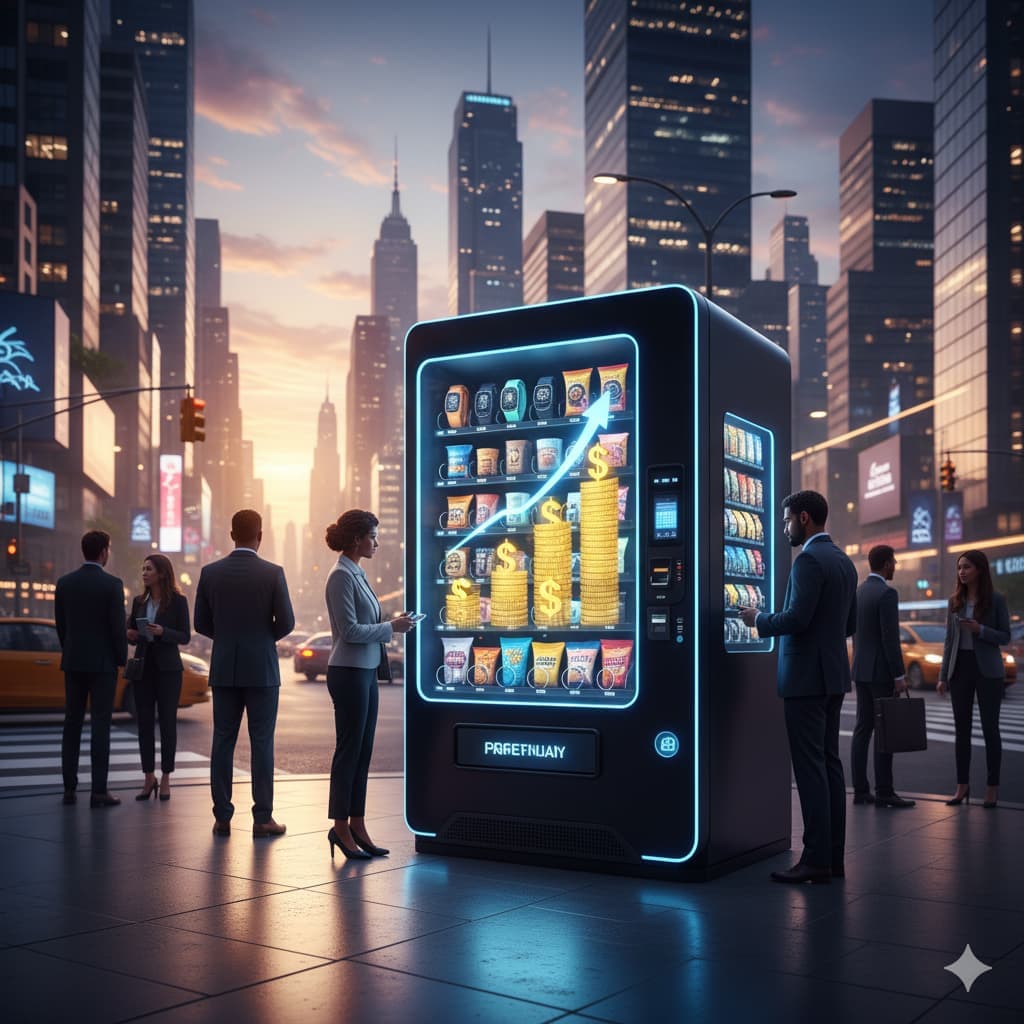
Vending machines offer a strong business opportunity due to their low labor needs, passive income potential, and scalable nature. Many entrepreneurs explore vending machine revenue to understand how much a single unit can earn. Profit depends on smart location choices, attractive product options, and efficient management. When these elements align, vending machines can deliver reliable earnings and long-term stability. This guide explains how operators can strengthen revenue through strategic planning and continuous improvement.
The Path to Profitability
Understanding how to build sustainable vending machine revenue begins with recognizing the factors that influence performance. Location, consumer demand, pricing, and product variety all determine whether a vending business becomes a thriving venture or a low-yield investment.
Prime Location Equals Higher Earnings
A vending machine positioned in a high-traffic environment consistently generates stronger vending machine average profit than one in a quiet commercial space. Locations like office buildings, train stations, hotels, hospitals, and schools have built-in customer flow. The easier it is for consumers to make impulse purchases, the higher the average vending machine revenue potential. A profitable operator studies foot traffic patterns, demographic preferences, and on-site competition before securing placement agreements.
Right Product Mix Drives Sales
Machines stocked with products that match consumer needs will always produce superior average profit of vending machine outcomes. Fast-moving items such as beverages, snacks, and convenience-based products often perform best. Specialized niches, including healthy snacks, protein bars, and tech accessories, can elevate vending machine revenue even further when strategically matched to the audience. Testing and updating inventory based on sales analytics allows operators to maximize margins.
Smart Pricing Strategy Enhances Profitability
Pricing decisions must take into account location-specific demand and cost structures. Premium settings like airports allow vending operators to charge higher prices and therefore grow vending machine average profit while still maintaining sales velocity. In contrast, pricing may need to remain competitive in public areas with multiple alternatives. The goal is to balance attractive pricing with healthy margin retention to safeguard long-term vending machine revenue stability.
Regular Maintenance and Restocking Optimize Performance
Machines must remain fully operational to capture every possible transaction. Downtime from technical failures or empty inventory reduces average vending machine revenue significantly. Operators who establish an efficient schedule for replenishment and machine checks experience better vending machine revenue flow. Newer smart vending models can track performance in real time and alert owners to low-stock items or technical issues.
Cashless Payments Boost Convenience
Consumer preferences continue shifting toward digital transactions. Machines equipped with mobile wallets and card readers typically generate higher average profit of vending machine figures by removing cash-only barriers. Cashless flexibility supports greater impulse purchases and can increase vending machine revenue particularly among younger, tech-savvy demographics.
Scalability Multiplies Income Potential
Once the initial learning curve is managed, expanding the number of machines exponentially grows monthly earnings. Operators who master location negotiation and efficient logistics often scale from a handful of units to dozens. This scalability advantage allows seasoned owners to increase vending machine revenue without proportionally increasing workload, turning the business into a reliable semi-passive income stream.
Revenue and Strategy
To achieve the highest vending machine revenue, operators must think strategically about market positioning and operational efficiency. Careful planning ensures that every placement generates measurable returns while strengthening brand presence and customer loyalty.
Structural Cost Management Improves Profit Margins
Reducing fixed and variable expenses is key to achieving stronger vending machine average profit. Bulk purchasing lowers unit costs, while optimal routing minimizes fuel and time expenses. Selecting energy-efficient machines and LED-lit displays can reduce electricity charges. Responsible cost control yields stronger net vending machine revenue without compromising product quality or machine functionality.
Customer-Driven Decisions Lead to Stability
Monitoring purchase behavior enables data-driven decisions. For example, if energy drinks sell faster than soda at a specific site, stocking more energizing beverages ensures the average vending machine revenue remains high. Seasonal adjustments, such as adding cold drinks in summer or comfort snacks during winter, also support improved vending machine revenue performance.
Partnering with Trusted Suppliers Ensures Product Quality
Working with reliable partners guarantees fresh and high-quality inventory, which is necessary for maintaining consistent average profit of vending machine metrics. Reputable vendors supply products with reasonable shelf life, helping owners avoid waste and lost revenue. This business relationship can extend to procurement diversification, such as sourcing popular local brands that resonate with consumers.
Leveraging Technology to Maximize Returns
Smart vending management platforms provide actionable insights into stock levels, consumer purchase patterns, and device diagnostics. These technologies support proactive decisions that protect vending machine revenue from unexpected disruptions. Analytics-based restocking improves product rotation and enhances profitability by focusing on what customers want most.
Differentiation Enhances Competitive Advantage
Offering unique or specialty products can separate a vending machine from others nearby. Whether through gluten-free snacks, eco-friendly packaging, or locally sourced beverages, uniqueness helps boost overall vending machine revenue. Marketing signage or touchscreen menus that highlight brand story and product benefits also encourage consumer engagement.
Potential Challenges
Every business model encounters risks. Awareness allows vending owners to proactively mitigate issues that might threaten ongoing vending machine revenue growth.
Market Saturation Can Reduce Sales
If too many operators compete for the same locations, the average profit of vending machine FAS 900 Pro can decline. Proper market research and identifying underserved areas are crucial defensive tactics. Strategic placement ultimately avoids cannibalization of the average vending machine revenue within the local marketplace.
Machine Theft or Vandalism Causes Losses
Security risks vary depending on where machines are installed. Damaged equipment leads to repair expenses and reduced vending machine average profit. Operators place machines in supervised or monitored spaces to protect investments and maintain reliable vending machine revenue streams.
Demand Fluctuations Affect Stability
Consumer behavior can change due to trends, health initiatives, or seasonal movement. Even the strongest locations may experience shifts that influence average FAS vending machine revenue figures. Continuous review of performance data and product updates ensure resilience during market changes.
High Upfront Costs for Growth
Expanding the business frequently requires significant capital investments in equipment and stock. For new operators, cash flow management is essential to avoid jeopardizing vending machine revenue goals while scaling operations. Strategic reinvestment keeps the business on a sustainable growth trajectory.
Conclusion
The vending machine revenue potential remains highly compelling for entrepreneurs seeking a scalable and flexible income model. With thoughtful site selection, strong supplier partnerships, and integrated smart technologies, Business vending machine operators can secure steady profits and expand without burdensome labor requirements. The key lies in understanding consumer needs, optimizing machine availability, and adapting pricing and products to the market environment. Supported by efficient operations and informed strategies, vending machines offer an accessible path to recurring retail revenue.
Furthermore, for those expanding in the Middle East, partnering with trusted industry experts such as Soda Lemon Vending offers access to premium-grade equipment and turnkey services that support modern retail environments. As one of the leading vending machine suppliers in UAE and a reputable vending machine supplier in Dubai, Soda Lemon Vending provides innovative solutions, reliable maintenance, and smart technology designed to maximize performance and profitability.
FAQs
How much money can a single vending machine make per month?
Industry estimates report that a single machine can generate between USD 150 and USD 600 per month in vending machine revenue, depending on product sales, foot traffic, and stock selection. High-traffic locations with premium offerings can yield significantly more.
What is a realistic profit margin for a vending machine business?
Profit margins often range from 30 percent to 50 percent of monthly vending machine revenue after deducting product, maintenance, and operational expenses. Enhancing pricing strategy and stock efficiency further strengthens profitability.
How long does it typically take to break even on a vending machine investment?
Operators generally recover their initial investment within 12 to 18 months, though faster payback is possible in highly productive placements with strong advanced vending machine average profit figures.
What is the best type of product to sell for maximum profit?
Products with high turnover and attractive margins yield better returns. In many regions, cold beverages, energy drinks, salty snacks, and fresh snacks produce superior average vending machine revenue. Healthy alternatives and niche favorites can also enhance performance when matched to the right audience.
Also read: A Guide to the Latest Payment Options Vending Machine